

 中文简体
中文简体Is é an purifier uisce is fearr don chuid is mó de na tithe ná córas osmosis droim ar ais ilchéime (RO) le réamhscagaire carbóin agus céim steiriliú UV — baintear suas le 99% de sholaid tuaslagtha, miotail throma, baictéir, víris agus ábhair shalaithe ceimiceacha in aon phas amháin. Mar sin féin, braitheann an rogha ceart go hiomlán ar do cháilíocht foinse uisce, méid an teaghlaigh, agus buiséad. D’fhéadfadh go bhfaigheadh teaghlach a tharraingíonn ó sholáthar bardasach le TDS íseal (Solaid Tuaslagtha Iomlána) torthaí iontacha ó scagaire carbóin gníomhachtaithe cáilíochta amháin, agus tá RO móide UV ag teastáil ó theaghlach ar uisce tobair le riosca ard TDS nó baictéarach.
Déanann an treoir seo comparáid idir gach mórchineál íonghlantóra uisce faoin méid a bhaineann a gcuid scagairí amach, costais reatha, riachtanais chothabhála, agus na coinníollacha uisce is fearr a oireann do gach córas - ionas gur féidir leat an íonaitheoir ceart a mheaitseáil le do theach seachas róchaiteachas ar theicneolaíocht nach bhfuil ag teastáil uait nó tearcchaiteachas ar cheann nach réiteoidh d'fhadhb.
Na Príomhchineálacha Purifiers Uisce Baile agus Cad a Scagann siad
Braitheann gach purifier uisce tí ar theicneolaíocht scagaire amháin nó níos mó. Is é an bunús a bhaineann le roghnú ceart a thuiscint cad a bhaintear as gach céim scagaire.
| Cineál Scagaire | Baintear | NÍ Bain | Is Fearr Le haghaidh |
|---|---|---|---|
| Carbón gníomhachtaithe | Clóirín, VOCanna, blas, boladh, roinnt lotnaidicídí | Miotail throma, TDS, baictéir, víris, fluairíd | Uisce bardasach le fadhbanna blas/bolaidh |
| Osmosis Droim ar Ais (RO) | TDS, miotail throma, níotráití, fluairíd, arsanaic, an chuid is mó de na baictéir | Roinnt víris (gan UV), gáis tuaslagtha | TDS ard nó uisce crua, uisce tobair |
| Steiriliú UV | Baictéir, víris, cysts (99.99%) | Salaithe ceimiceacha, TDS, miotail throma | Uisce neamhshábháilte go micribhitheolaíoch |
| Ultrascagadh (UF) | Baictéir, cysts, solaid ar fuaidreamh, colloids | Víris, ceimiceáin tuaslagtha, TDS, miotail throma | Uisce íseal TDS a dteastaíonn sábháilteacht mhiocróbach uaidh |
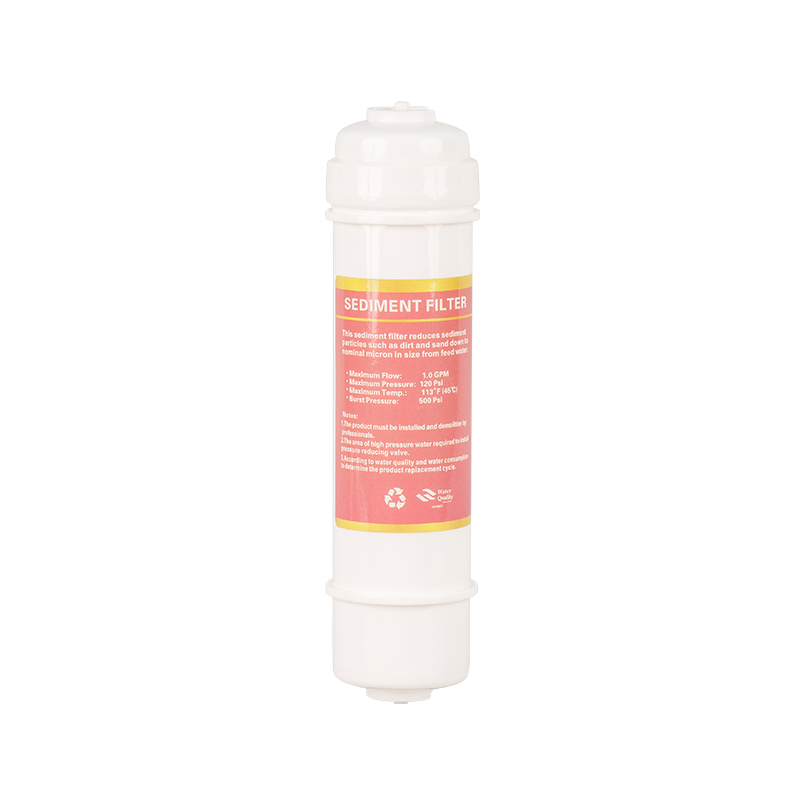
| Scagaire Dríodair | Gaineamh, siolta, meirge, cáithníní móra | Gach rud tuaslagtha nó miocróbach | Céim réamhscagtha amháin |
| Malartú ian / Softener | Cailciam, maignéisiam (cruas), roinnt miotal trom | Baictéir, víris, an chuid is mó ábhar salaithe ceimiceach | Uisce crua is cúis le tógáil scála |
Córais Osmosis Droim ar Ais: Is Fearr Uile Timpeall don Fhormhór Tithe
Fórsálann córas osmosis droim ar ais uisce trí membrane leath-thréscaoilteach le pores chomh beag le 0.0001 miocrón - beag go leor chun salainn tuaslagtha, miotail throma, níotráití, arsanaic, fluairíd, agus an chuid is mó de na pataiginí a bhlocáil. Comhcheanglaíonn aonad caighdeánach RO faoi-doirteal 5-chéim réamhscagaire dríodar, dhá chéim carbóin, an membrane RO, agus scagaire snasta iar-charbóin.
Cad a Bhaineann Córais RO
- Laghdú TDS: Laghdaíonn scannán RO ardchaighdeáin TDS 90-99%. Is gnách go dtagann uisce ionchuir ag 500 ppm TDS amach ag 20-50 ppm - go maith laistigh de threoirlínte WHO de 300 ppm le haghaidh uisce óil.
- Miotail throma: Rátaí bainte luaidhe de 95-98%, arsanaic 94-96%, cróimiam 95-97%.
- Níotráití: Bainte ag 83-92% - ríthábhachtach do theaghlaigh le naíonáin nó mná torracha ar uisce tobair i limistéir talmhaíochta.
- Fluairíd: Baint 85-92%, ábhartha do theaghlaigh i gceantair le leibhéil nádúrtha fluairíde ardaithe.
- Baictéir agus protozoa: Baint beagnach iomlán trí eisiamh méid fisiciúil tríd an scannán.
Teorainneacha Córais RO
- Dramhaíl uisce: Scaoileann aonaid RO traidisiúnta 3-4 lítear fuíolluisce in aghaidh gach 1 lítear uisce íonaithe a tháirgtear. Baineann samhlacha ardéifeachtúlachta amach cóimheasa 1:1 nó níos fearr anois.
- Baint mianraí: Baineann RO freisin mianraí tairbheacha cosúil le cailciam agus maignéisiam. Cuireann córais a bhfuil céim athmhianaithe acu iad seo siar ag an gcéim dheiridh.
- Aschur mall: Táirgeann aonad caighdeánach RO faoi doirteal 50–100 galún (190–380 lítear) in aghaidh an lae — dóthanach le hól agus le haghaidh cócaireachta ach ní soláthar don teach iomlán é.
Purifiers Uisce UV: Is Fearr le haghaidh Éilliú Bitheolaíochta
Nochtann íonaitheoirí UV uisce do sholas ultraivialait ag tonnfhad de 254 nanaiméadar , a chuireann isteach ar DNA na miocrorgánach agus a fhágann nach féidir iad a atáirgeadh. Baintear amach córas UV den mhéid ceart laghdú 99.99% (4-log). i mbaictéir, i víris, agus i bprótazó lena n-áirítear Giardia agus Cryptosporidium — pataiginí atá frithsheasmhach in aghaidh díghalrúcháin clóirín.
Tá purifiers UV an-éifeachtach ach tá spleáchas ríthábhachtach acu: ní mór don uisce a bheith soiléir. Ag moirtiúlacht thuas 1 NTU (Aonad Moirtiúlacht Nephelometric) , sciathaíonn cáithníní ar fionraí microorganisms ó nochtadh UV, ag laghdú rátaí marú go suntasach. Sin é an fáth go bhfuil UV beagnach i gcónaí comhcheangailte le réamhscagaire dríodair agus go minic le scagaire carbóin, nach n-úsáidtear ina aonar.
Is fíorbheagán leictreachais a ídíonn córais UV — ritheann gnáthaonad UV tí ar aghaidh 11–55 vata - agus gan aon cheimiceáin a chur le huisce. Teastaíonn athsholáthar an lampa UV uair sa bhliain beag beann ar úsáid iarbhír, toisc go ndíghrádaíonn aschur UV le himeacht ama fiú má tá an chuma ar an lampa fós soilsithe.
Scagairí Carbóin Gníomhachtaithe: Is Fearr le haghaidh Blas, Boladh agus Clóirín
Oibríonn carbón gníomhachtaithe trí asaithe - ceanglaíonn móilíní éillithe le hachar dromchla inmheánach ollmhór an charbóin (tá achar dromchla de ghram amháin de charbón gníomhachtaithe 500–1,500 m² ). Fágann sin go bhfuil sé thar a bheith éifeachtach maidir le clóirín, clóraimíní, trihalomeatán (THMs), comhdhúile so-ghalaithe orgánacha (VOCanna), luibhicídí, agus na comhdhúile blas agus boladh a fhágann nach bhfuil uisce cathrach taitneamhach a bhaint.
Bloc Carbón vs Carbón Gráinneach Gníomhachtaithe (GAC)
Scagairí bloc charbóin níos dlúithe agus níos éifeachtaí – scagann siad cáithníní síos go dtí 0.5 miocrón freisin, ag baint cuid de chistíní amhail Cripteaspóiridiam agus Giardia. Carbón gníomhachtaithe gráinneach (GAC) sreabhann na scagairí níos tapúla ach fágann siad bearnaí idir gráinníní a laghdaíonn an t-am teagmhála agus a cheadaíonn dáileadh, rud a fhágann nach bhfuil siad chomh críochnúil. Maidir le hiarratais uisce óil, is iad scagairí bloc carbóin an rogha níos láidre.
Is é an príomhtheorannú ar scagairí carbóin gníomhachtaithe ná cumas. Tá caighdeán cartúis scagaire carbóin rátáilte le haghaidh 500–1,000 galún (1,900–3,800 lítear) sula n-éiríonn sé sáithithe agus ní mór é a athsholáthar — go hiondúil gach 3-6 mhí do ghnáth-theaghlach. Is féidir le scagaire carbóin rósháithithe ábhar salaithe a bhí asaithe roimhe seo a scaoileadh ar ais isteach san uisce, rud a fhágann nach féidir an t-athsholáthar tráthúil a phlé.
Roghnú an Purifier Ceart Bunaithe ar Do Foinse Uisce
Is í an chéim is tábhachtaí roimh aon íonaitheoir uisce a cheannach ná do chuid uisce a thástáil. Cosnaíonn méadair TDS baile $10–$20 agus tugann siad léamh ar an toirt, agus tá feisteáin tástála uisce cuimsitheacha (a chlúdaíonn miotail throma, baictéir, níotráití, pH) ar fáil ar $20–$100 agus soláthraíonn siad próifíl iomlán éillithe. Foilsíonn go leor bardais tuarascálacha bliantúla ar cháilíocht uisce freisin a shainaithníonn ábhar salaithe a aimsítear.
| Coinníoll Uisce | Leibhéal TDS | Córas Molta | Céimeanna Tosaíochta Scagaire |
|---|---|---|---|
| Uisce cathrach maith, saincheist blas / boladh | Faoi 150 ppm | Scagaire carbóin gníomhachtaithe | Bloc carbóin |
| Uisce bardasach, cruas measartha | 150–300 ppm | UF carbóin nó RO bunúsach | Membrane UF carbóin dríodar |
| Uisce crua nó TDS ard | 300–1,000 ppm | Córas RO ilchéime | Carbóin dríodar RO membrane iar-charbóin |
| Uisce go maith le riosca bitheolaíoch | Athróg | Teaglaim RO UV | Dríodar carbóin RO UV lampa |
| Éilliú miotail throm (luaidhe, arsanaic) | Athróg | Córas RO (deimhnithe NSF/ANSI 58) | Céim ath-mhianú membrane RO |
| Uisce goirt TDS an-ard | Níos mó ná 1,000 ppm | Ath-mhianú RO ard-dhiúltú | Scannán ardbhrú RO rátáilte le haghaidh TDS ard |
Cothabháil Scagaire Purifier Uisce: Cad a Dhiúltaítear agus Cén Fáth a dTábhacht
Níl purifier uisce ach chomh héifeachtach agus a riocht scagaire reatha. Ní stopann na scagairí atá thar téarma lena n-athsholáthar a bheith ag obair – is féidir leo cáilíocht an uisce a dhul in olcas go gníomhach trí ábhair shalaithe gafa a scaoileadh, bithscannán baictéarach a chothú, nó sláine struchtúrach a chailleadh.
Sceideal Athsholáthair Scagaire de réir Cineál
- Réamhscagaire dríodair: Gach 3-6 mhí. Laghdaíonn scagairí dríodar clogged ráta sreafa agus brú ar na céimeanna anuas, ag laghdú saol membrane RO.
- Réamhscagaire carbóin: Gach 6-12 mhí. Déanfaidh clóirín a théann thar scagaire carbóin ídithe damáiste do membrane RO, ag laghdú a shaolré éifeachtach ó 2-3 bliana go dtí faoi bhun 12 mhí.
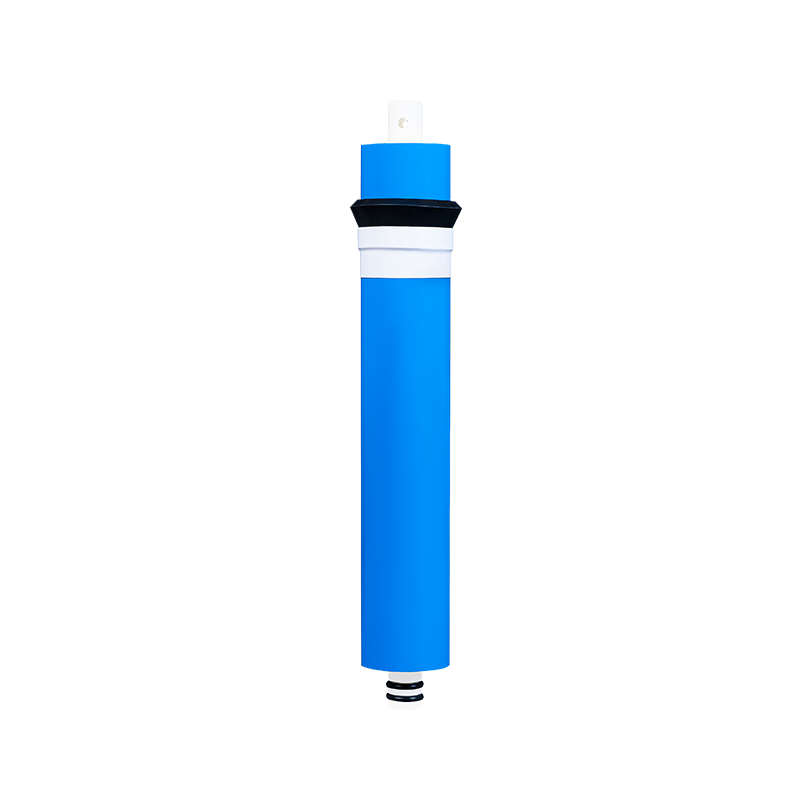
- membrane RO: Gach 2-3 bliana faoi ghnáthchoinníollacha. Léiríonn luascadh TDS - méadú de réir a chéile ar aschur TDS - díghrádú membrane agus comharthaíonn sé go bhfuil gá le hathsholáthar.
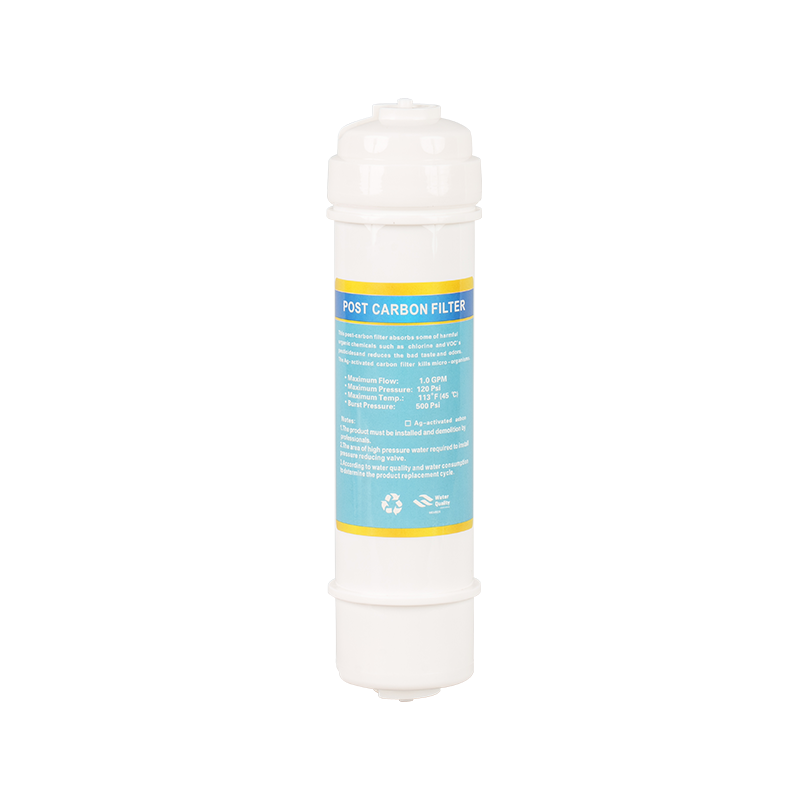
- Scagaire snasta iar-charbóin: Gach 12 mhí. Cuireann feabhas blas deiridh leis sula dtéann uisce amach as an sconna.
- lampa UV: Gach 12 mhí beag beann ar aschur infheicthe, toisc go ndíghrádaíonn an déine UV faoi na leibhéil díghalrúcháin éifeachtacha sula ndóitear an lampa go feiceálach.
- membrane UF: Gach 12-24 mí; backwash go tréimhsiúil chun an saol a leathnú.
Costais Reatha Bliantúla: Cad atá le Buiséad Taobh amuigh den Phraghas Ceannaigh
Is costas aonuaire é praghas ceannaigh purifier uisce. Is costas leanúnach é athsholáthar scagairí a théann i bhfeidhm go mór ar chostas iomlán na húinéireachta thar 5-10 mbliana agus is minic nach mbíonn meas faoina luach ag an bpointe ceannaigh.
| Córas Purifier | Raon Praghsanna Ceannaigh | Costas Scagaire Bliantúil | Costas Iomlán 5 Bliana |
|---|---|---|---|
| Scagaire tuirlingthe carbóin | $20 – $50 | $40-80$ | $220 – $450 |
| Scagaire bloc carbóin faoin doirteal | $50-150 | $30-60 | $200 – $450 |
| Córas RO 5-chéim (faoi-doirteal) | $150-400 | $50-100 | $400-900 |
| Teaglaim RO UV system | $250-600 | $80-150 | $650 – $1,350 |
| Countertop aonad carbóin UV | $80-200 | $40-80$ | $280-600 |
Deimhnithe a Deimhníonn Íonaitheoir Uisce a Oibríonn Dáiríre
Tá éilimh mhargaíochta ar phacáistiú purifier uisce neamhrialaithe den chuid is mó. Is é an t-aon bhealach chun a fhíorú go bhfeidhmíonn íonaitheoir agus a scagairí mar a éilítear ná seiceáil le haghaidh deimhnithe neamhspleácha tríú páirtí.
- NSF/ANSI 42: Deimhníonn laghdú ábhar salaithe aeistéitiúil - clóirín, blas, agus boladh. An caighdeán bunlíne d'aon scagaire uisce óil.
- NSF/ANSI 53: Deimhnítear laghdú ábhar salaithe a bhaineann le sláinte lena n-áirítear luaidhe, cysts, agus VOCanna sonracha. Tá sé ríthábhachtach do theaghlaigh atá buartha faoi éilliú miotail throma.
- NSF/ANSI 58: An caighdeán RO-shonrach, a dheimhníonn feidhmíocht laghdaithe TDS agus éilimh bainte éillithe do chórais osmosis droim ar ais.
- NSF/ANSI 55: Deimhníonn córais díghalrúcháin UV. Tá Aicme A (40 mJ/cm²) ag teastáil chun uisce nach bhfuil sábháilte ó thaobh micribhitheolaíochta a dhíghalrú; Baineann Aicme B le cóireáil bhreise ar uisce atá cóireáilte cheana féin.
- Séala Óir WQA: Deimhniú neamhspleách an Chomhlachais um Cháilíocht Uisce, atá comhionann i ndéine le caighdeáin NSF agus aitheanta go forleathan ag rialtóirí SAM.
A purifier a iompraíonn NSF/ANSI 58 agus NSF/ANSI 55 deimhnithe ar an aonad céanna a bheith fíoraithe go neamhspleách a bhaint ábhar salaithe tuaslagtha agus pataiginí a dhíchur - an teaglaim a chlúdaíonn an raon is leithne de rioscaí fíor-domhan cáilíochta uisce lena n-úsáid sa bhaile.
Céim ar Chéim: Conas an Purifier Uisce is Fearr a Roghnú do do Theach
- Déan do chuid uisce a thástáil ar dtús. Úsáid méadar TDS le haghaidh léamh bonnlíne tapa. Le pictiúr iomlán a fháil, bain úsáid as trealamh tástála baile nó seol sampla chuig saotharlann deimhnithe - go háirithe má tá tú ar uisce tobair nó má tá imní ort faoi mhiotail throma nó baictéir.
- Meaitseáil an teicneolaíocht le do phróifíl éillithe. TDS níos mó ná 300 ppm riachtanais RO. Riachtanais riosca baictéarach UV nó RO. Ní gá ach carbóin a bheith ag fadhbanna clóirín agus blas. Ná híoc as RO má tá do TDS faoi bhun 100 ppm cheana féin.
- Deimhnigh deimhniú NSF do na hábhair salaithe ar leith is gá duit a bhaint. Seiceáil bunachar sonraí táirgí an NSF go díreach ag nsf.org — ná bí ag brath ar lipéad an déantóra amháin.
- Ríomh costas iomlán na húinéireachta thar 5 bliana lena n-áirítear athsholáthar scagairí — ní hamháin an praghas aonaid. Cosnaíonn íonaitheoir $100 agus $80/bliain i scagairí níos mó ná 5 bliana ná íonaitheoir $250 agus $50 in aghaidh na bliana i scagairí.
- Smaoinigh ar riachtanais suiteála. Éilíonn córais RO faoi-doirteal nasc poll faucet agus draein tiomnaithe. Ní gá aon suiteáil a dhéanamh ar scagairí countertop nó pitcher. Cuir san áireamh cibé an bhfuil do theach ar cíos agat nó nach bhfuil.
- Socraigh meabhrúcháin athsholáthair scagaire ón gcéad lá. Ní teipeanna trealaimh an chuid is mó de theipeanna íonghlantóra - is teipeanna cothabhála iad a ligeann do ghlantóir atá i riocht maith oibre uisce éillithe a sheachadadh trí scagaire atá imithe in éag.