

 中文简体
中文简体Mar thagarmharc ginearálta, cartúis scagaire uisce a chur in ionad áit éigin idir gach 2 mhí agus gach 3 bliana, ag brath go hiomlán ar an gcineál datha suiteáilte - níl aon fhreagra uilíoch amháin. Is gnách go n-ídíonn bunscagaire pitcher carbóin tar éis thart 40 galún , thart ar 2 mhí de mheánúsáid, agus is féidir le membrane osmosis droim ar ais i gcóras dea-choimeádta a mhaireann 2 go 3 bliana . Is é an bealach is iontaofa chun eolas a fháil ar d'eatramh sonrach ná rátáil galún nó mí an mhonaróra atá priontáilte ar an gcartán a sheiceáil agus é a choigeartú bunaithe ar thomhaltas uisce iarbhír do theaghlaigh.
Déanann an treoir seo conas an rátáil sin a léamh i gceart, conas a athraíonn patrúin úsáide amlíne an fhíorshaoil, agus conas gnáthamh athsholáthair a thógáil nach mbraitheann ar bhuille faoi thuairim.
Dhá Uimhir a Chinneann Uainiú Athsholáthair
Déantar gach cartúis scagaire uisce a rátáil ag baint úsáide as dhá fhigiúr: a cumas galún (cé mhéad uisce is féidir é a scagadh sula gcailltear éifeachtacht) agus a meastachán ama (cé chomh fada is a mhaireann an toilleadh sin de ghnáth faoi mheánúsáid teaghlaigh). Níl sa mheastachán ama ach tiontú áise den rátáil galún — glactar leis go bhfuil figiúr úsáide laethúil ar leith ann a d’fhéadfadh nach mbeadh ag teacht le do theach.
Mar shampla, cartúis rátáilte do 200 galún agus "thart ar 6 mhí" ag glacadh leis go n-úsáidfí thart ar 33 galún uisce scagtha in aghaidh na míosa. Buailfidh teaghlach a ritheann níos mó uisce tríd an sconna - le haghaidh cócaireachta, caife, nó teaghlach níos mó - an marc 200 galún sin i bhfad sula dtéann sé mhí slán, cé nach bhfuil an féilire tar éis teacht suas go fóill.
Sceidil Athsholáthair de réir Cineál Córais
| Córas | Rátáil Gallon | Gnáth-eatramh |
|---|---|---|
| Pitcher Scagaire Uisce | ~40 galún | 2 mhí |
| Scagaire Cuisneoir/Déantóir Oighir | 200-300 galún | 3-6 mhí |
| Scagaire Faucet-Mount | 100 galún | 2-3 mhí |
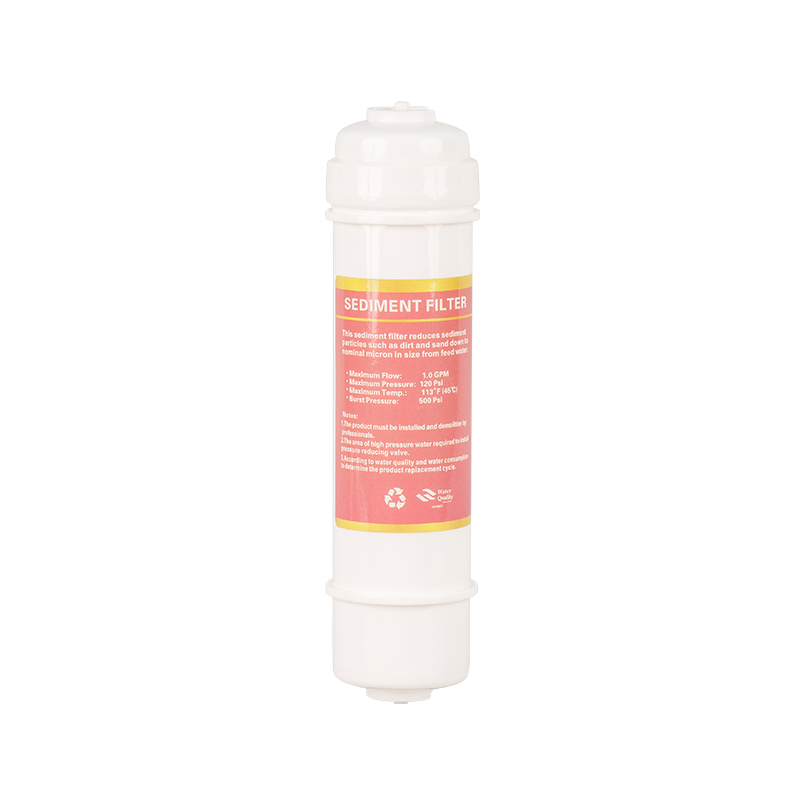
| Réamhscagaire Dríodair Tí Uile | Athraíonn de réir ualach dríodair | 1-3 mhí |
| Scagaire Carbóin Uile-Tí | Athraíonn de réir ualach clóirín | 3-6 mhí |
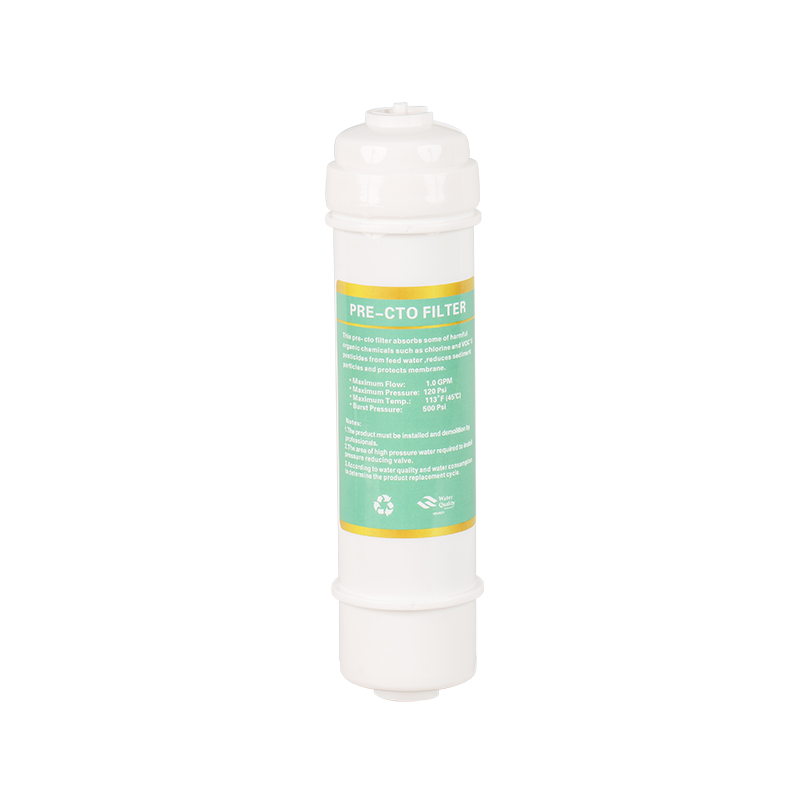
| Réamh-Scagairí/Iar-scagairí Osmosis Droim ar Ais | Athraíonn | 6-12 mhí |
| Membrane Osmosis Droim ar Ais | 2,000 galún | 2-3 bliana |
Ag Ríomh Do Fhíor-Eadramh Athsholáthair
Seachas muinín iomlán a bheith agat as meastachán na míosa clóite, is cur chuige níos cruinne é do ráta úsáide féin a ríomh:
- Faigh toilleadh galún rátáilte an datha ar an bpacáistiú nó ar bhileog sonraí an mhonaróra
- Déan meastachán ar mheánúsáid laethúil uisce scagtha do theaghlaigh - le haghaidh uisce óil agus cócaireachta, is figiúr pleanála réasúnta é 0.5 go 1 galún in aghaidh an duine in aghaidh an lae
- Méadaigh de réir méid an teaghlaigh agus faoi 30 chun úsáid mhíosúil a fháil
- Roinn rátáil galún an datha ar an bhfigiúr míosúil sin chun d'eatramh athsholáthair iarbhír i míonna a fháil
Mar shampla, teaghlach de cheathrar a úsáideann thart ar 3 galún uisce scagtha in aghaidh an lae (90 galún in aghaidh na míosa) le cartúis rátáilte do 300 galún Bheadh gá a chur ina ionad thart ar gach 3.3 mhí — go suntasach níos luaithe ná mar a thabharfadh lipéad cineálach "6 mhí" do theaghlach níos lú.
Síníonn an Sceideal Clóbhuailte Ní Bhaineann a Níos Mó
Fiú le ríomh cúramach, féadann coinníollacha an fhíorshaoil an saolré iarbhír a athrú. Bí ag faire le haghaidh na dtáscairí seo nach mór datha a athrú roimh an sceideal:
- Moillíonn sreabhadh uisce go suntasach i gcomparáid leis an uair a bhí an datha nua
- Tagann blas nó boladh clóirín in uisce scagtha arís
- Bíonn an chuma ar an uisce scamallach, mí-dhaite, nó bíonn dríodar sofheicthe air
- Sroicheann táscaire saoil scagaire leictreonach náid nó casann sé dearg
- Forbraíonn boladh musty nó earthy, go minic comhartha de thógáil suas baictéarach ar charbón sáithithe
Ba cheart go sáródh aon cheann de na comharthaí seo an sceideal ríofa — tugtar tús áite i gcónaí d’fhianaise fhisiciúil ar chartús caite thar dháta réamh-mheasta .
Coinníollacha a Bhrúigh Athsholáthar Níos luaithe
Giorraíonn roinnt coinníollacha coitianta tí agus soláthair uisce saol an cartúis i bhfad faoi bhun mheastachán an mhonaróra:
- Uisce tobair le cion dríodair, iarainn nó mianraí níos airde ná an soláthar bardasach cóireáilte
- Uisce crua, a luathaíonn tógáil scála taobh istigh de bhloc carbóin agus scagairí dríodair
- Tithe gan réamhscagaire dríodar chun tosaigh ar chéim charbóin nó RO níos míne
- Teaghlaigh níos mó nó tréimhsí ardúsáide, mar mhíonna an tsamhraidh le níos mó úsáide as cócaireacht agus uisce óil
- Córais pluiméireachta níos sine a thugann níos mó cáithníneach isteach sa soláthar uisce
Ceann de na bealaí is éifeachtaí chun scagairí le sruth a chosaint is ea réamhscagaire dríodair a chur leis roimh charbón nó cartús RO — go coitianta leathnaíonn sé saolré an datha míne 30% nó níos mó trí cháithníní níos mó a ghabháil sula sroicheann siad é.
Na Rioscaí a bhaineann le Rith thar Shaol Rátáilte an Cartúis
Má chuirtear moill ar athrú thar an toilleadh rátáilte is mó a dhéanann sé ná cáilíocht an bhlais a laghdú. Is féidir le cartús carbóin sháithithe tosú ag scaoileadh ábhar salaithe a bhí gafa roimhe seo ar ais isteach san uisce, agus cruthaíonn sáithiú fada coinníollacha atá fabhrach d’fhás baictéarach ar na meáin scagaire, go háirithe i dtimpeallachtaí te. I gcórais tí uile, is féidir le scagaire dríodair thar téarma srian a chur ar shreabhadh freisin chun brú uisce an teaghlaigh a bhrú agus ualach neamhriachtanach a chur ar fhearais iartheachtacha amhail téitheoirí uisce.
Ag Tógáil Gnáthaimh Athsholáthair a Shíneann
- Cuir lipéad ar gach cartús lena dháta suiteála nuair a cuireadh sa tithíocht é den chéad uair
- Socraigh meabhrúchán athfhillteach bunaithe ar d'eatramh ríofa, ní ar mheastachán cineálach an phacáiste
- Coinnigh cartúis spártha amháin i stoc ionas nach gcuirfear aon athrú ar an am loingseoireachta
- Seiceáil do mheastachán úsáide arís aon uair a athraíonn méid an teaghlaigh nó nósanna imeachta go suntasach
- Ceannaigh cartúis i bpacáistí il nuair atá siad ar fáil, rud a íslíonn an costas in aghaidh an aonaid de ghnáth 15–25%
Conclúid
Tagann an t-eatramh athsholáthair ceart le haghaidh cartúis scagaire uisce as a thoilleadh galún rátáilte a roinnt ar úsáid iarbhír do theaghlaigh, ní ó mheastachán cineálach míosa clóite a leanúint. Titeann an chuid is mó de na cartúis idir 2 mhí agus 3 bliana ag brath ar an gcineál, ach ba cheart go sáródh athruithe ar bhlas, ar shreabhadh agus ar bholadh dáta ríofa i gcónaí má thagann siad go luath. Is é gnáthamh rianaithe simplí a thógáil - dátaí suiteála a lipéadú, eatramh réalaíoch a ríomh, agus spáráil a choinneáil ar láimh - an bealach is iontaofa chun cáilíocht an uisce a choinneáil comhsheasmhach ar feadh na bliana.